
Mice, rats, squirrels, birds or bats? How to tell what’s in your loft

If you’re hearing mice or rats in the loft, the time of day is the quickest clue. Scratching at night is usually mice or rats. Thumping early in the morning is usually squirrels, chirping in spring is birds, and bats often go unnoticed for years. The droppings settle it.
Squirrels in the loft: signs, damage and how to get them out

Squirrels in the loft are almost always grey squirrels that have got in through a gap at the roof line. You’ll usually hear them early in the morning, and they chew wiring and shred insulation. They can’t legally be released, so they have to be removed by a trained pest controller, and the gap sealed once they’ve gone.
How to get rid of mice in walls, floors and lofts
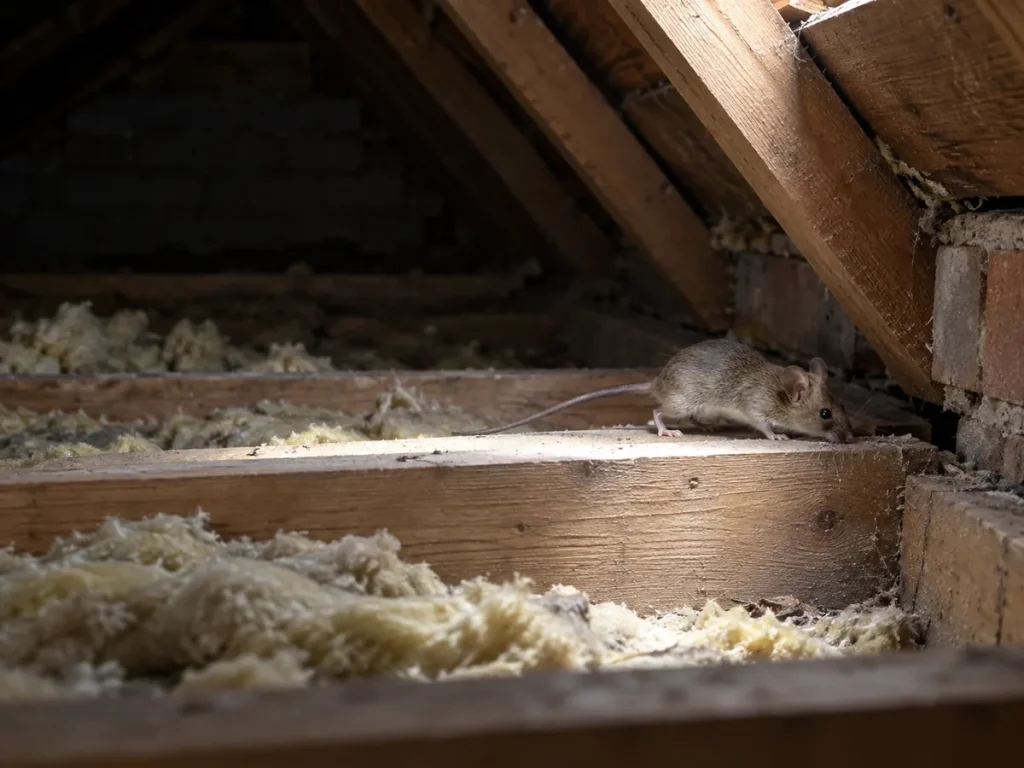
Mice in walls, under floors or in the loft are out of reach of most traps, so you get rid of them by treating the routes they use to come out, then sealing the gaps once they’ve gone. Here’s how we work out where they are, what works in each place and why you shouldn’t block the holes yet.
Seen a mouse in the house? What to do next
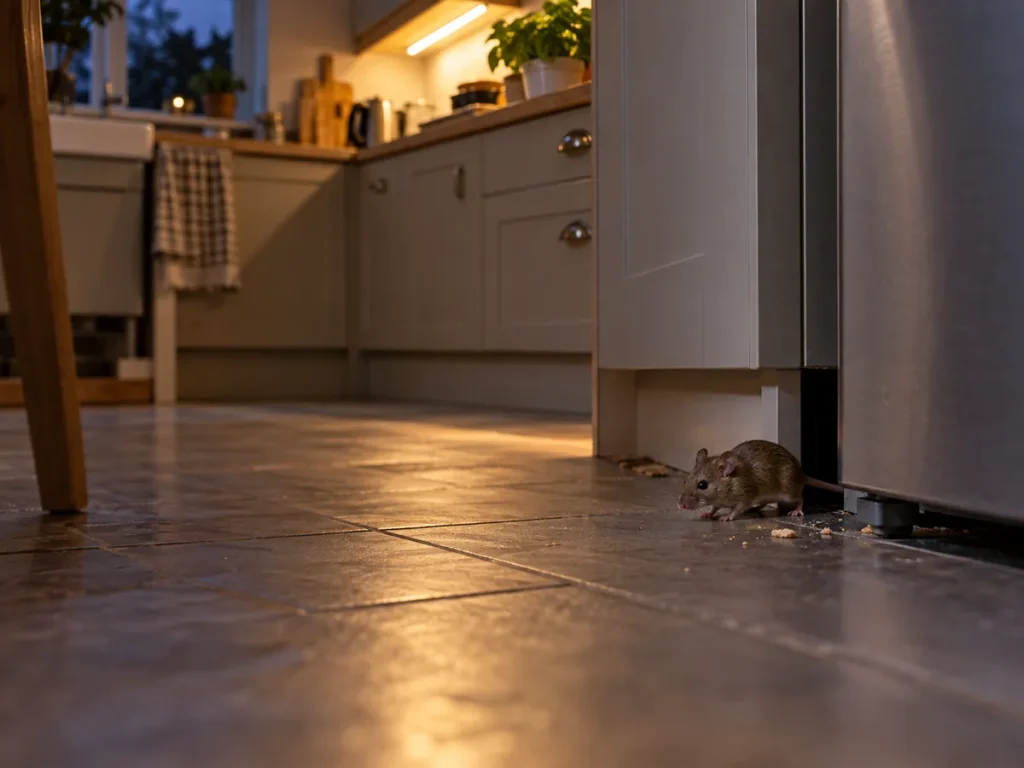
One mouse in the house usually means there are more. Mice are mainly active at night and stay close to food, so seeing one, especially in daylight, is often the first sign of a small infestation. Here’s how to check, what to do tonight and when it’s time to call someone.
Scratching in the walls at night: what it is and what to do

Scratching in the walls at night is almost always rats or mice. Rats sound heavier and the noise moves along the wall. Mice sound lighter and quicker and stay in one area. Squirrels are louder still, and active in daylight rather than after dark.
Rats in wall cavities: signs, causes and what to do
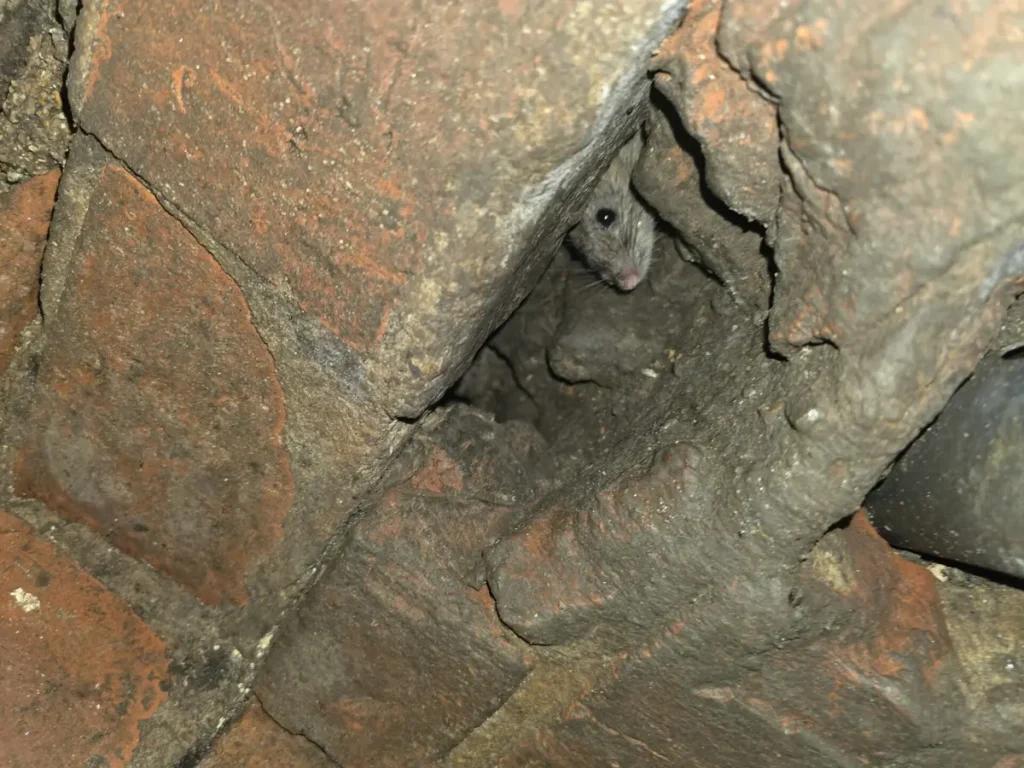
Rats usually get into wall cavities from below, through damaged or disused drains, or through gaps around pipes and broken air bricks. Scratching that moves along the wall at night almost always means rats. Clearing them is only half the job: until the way in is sealed, the next ones follow the same route.